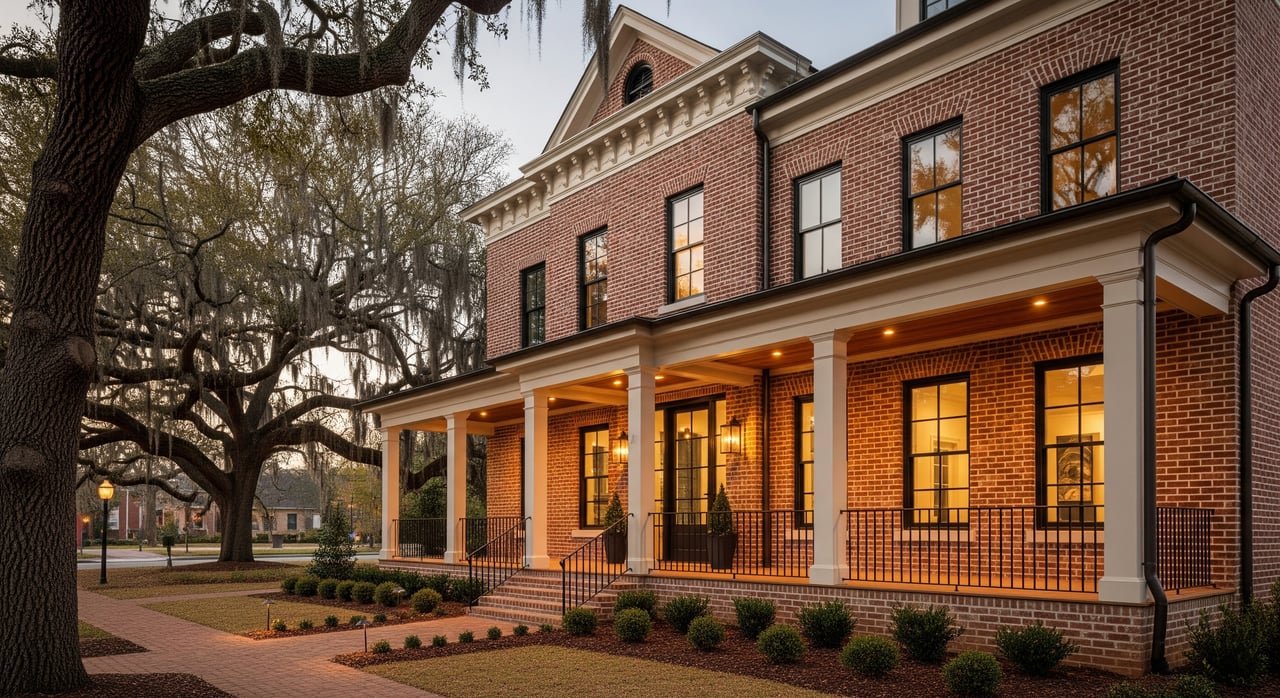
Updating a historic-era home near Lawrenceville Square can feel exciting and a little intimidating. You want modern comfort without losing the features that make your home special, and you want to follow the rules that protect the Square’s character. In this guide, you’ll learn how to plan updates that fit local expectations, protect your investment, and tap into potential incentives. Let’s dive in.
Why historic homes around the Square matter
Lawrenceville’s downtown is the city’s historic heart, with landmarks like the Gwinnett Historic Courthouse anchoring community events and identity. The city’s Main Street program and Downtown Development Authority focus on thoughtful revitalization and preservation in the Square. That means your exterior work near the Square is more visible and often reviewed for compatibility with the area’s historic character.
- Explore the courthouse and museum to see preservation in action: Gwinnett Historic Courthouse
- Learn about Main Street’s role in downtown projects: Lawrenceville Main Street
Know the rules before you demo
Local reviews and permits
Before you change siding, windows, porches, or rooflines, check with the City of Lawrenceville’s Planning and Development team. In sensitive downtown areas, exterior changes may require a design review or a Certificate of Appropriateness, along with standard building permits. Starting the conversation early prevents delays and helps you design updates that will be approved.
- Start here for permitting steps: City of Lawrenceville Building Permits
Standards that shape your plan
Most preservation reviews and all historic tax credit projects use the Secretary of the Interior’s Standards for Rehabilitation. These guidelines favor repair over replacement and encourage keeping character-defining features like original windows, porches, trim, and masonry details. If you plan to pursue tax credits, your work must meet these Standards.
- Review the Standards: Secretary of the Interior’s Standards for Rehabilitation
Incentives and financing basics
Georgia state historic rehabilitation tax credit
Georgia offers a state historic rehabilitation tax credit for certified projects. The program has eligibility rules, per-project and annual caps, and a required preapproval and certification process. Documentation and photos matter, so plan ahead and follow the state steps.
- See the rules and process overview: Georgia historic rehabilitation tax credit rules
Federal historic rehabilitation tax credit
Income-producing historic properties, such as commercial or rental buildings, may qualify for a 20 percent federal credit if the work meets the Standards and is certified. Owner-occupied single-family homes generally do not qualify for the federal credit.
- Learn the basics: Federal historic rehabilitation tax credit overview
Common issues in Lawrenceville’s historic-era homes
Historic houses near the Square often date to the 19th and early 20th centuries. The climate and original construction methods create predictable repair needs.
Moisture and structure
Clay-rich soils and shallow historic foundations can lead to settlement and cracking. Poor drainage, clogged gutters, and flashing failures allow water to enter crawlspaces and basements. Address drainage, roofing, and foundation issues before cosmetic work.
Termites and pests
Georgia sits in the termite belt. Subterranean termites are common in Gwinnett County, and older wood framing is vulnerable. Look for mud tubes and seasonal swarms, and use licensed professionals for inspection and treatment.
- Homeowner primer: UGA Extension on home termites
Systems: electrical, plumbing, HVAC
Old wiring, such as knob-and-tube or small panels, may not meet modern safety or insurance expectations. Galvanized or cast iron plumbing can be corroded. For comfort without heavy demolition, consider high-efficiency heat pumps or mini-splits and plan ductwork carefully to avoid cutting historic framing.
Lead paint and asbestos
Homes built before 1978 often contain lead-based paint, and some may have asbestos in floor tiles, pipe wrap, or insulation. When contractors disturb paint in pre-1978 homes, EPA Renovation, Repair and Painting rules apply.
- Lead-safe requirements: EPA RRP Program
Windows, insulation, and energy
Original wood windows are key character features. Preservation guidance encourages repairing sashes, adding weatherstripping, and using storm windows to boost performance. Start with attic insulation and targeted air sealing, then explore efficient HVAC and discreet solar options that do not change the primary facade.
- Window best practices: NPS guidance on historic windows
- Energy and sustainability in historic buildings: NPS efficiency guidance
A practical update roadmap
Use this sequence to protect your budget and your home’s character.
- Document what you have
- Take clear photos of all elevations, windows, doors, porches, and interior details you plan to affect.
- Keep a simple inventory and note existing materials and conditions.
- Build the right team
- Engage a preservation-aware architect or consultant and a licensed structural engineer for early assessments.
- Use licensed specialists for termites, lead, and asbestos.
- Stabilize first
- Fix active leaks, gutters, and flashing. Improve grading and drainage.
- Repair foundation and framing issues before surface finishes.
- Respect key features
- Repair original windows when feasible and consider interior or exterior storms before replacement.
- When replacement is unavoidable, match size, profile, and sightlines.
- Improve efficiency without harm
- Add attic insulation and air sealing at the attic and crawlspace boundaries.
- Choose HVAC solutions that minimize new openings in historic framing.
- Follow lead-safe practices
- If your home is pre-1978, ensure contractors are EPA RRP certified when disturbing painted surfaces.
- Track everything
- Save before-and-after photos, invoices, and contractor statements. You will need them if you pursue tax credits and they help future owners.
What to do first in Lawrenceville
- Confirm whether your home is in a historic or sensitive area around the Square. City staff and the Main Street office can advise on status and expectations.
- Speak with Planning and Development early about design review, Certificates of Appropriateness, and building permits. Submit for design review before you file permits.
- If you plan to pursue state or federal tax credits, complete the required preapproval steps and align your scope with the Standards from the start.
- After approvals, apply for your building permits and keep all documentation organized for final inspections and any credit certifications.
Pro tips to protect character and value
- Keep original materials when you can. Repairs often cost less than full replacement and are favored in reviews.
- Treat porches, chimneys, and masonry with care. Use gentle cleaning and compatible mortar to avoid damaging historic brick and stone.
- Place new mechanicals and solar equipment where they are least visible from the street.
- Plan upgrades in phases. Safety and water management come first, then efficiency, then finishes.
Ready to buy or sell a historic-era home?
Whether you are weighing updates before listing or planning a purchase with renovation in mind, you deserve clear guidance on timing, costs, and financing. If you want a plan that respects Lawrenceville’s history and your budget, let’s talk about your goals and next steps. Connect with Stevenson Bruno to align your renovation plan with your purchase or sale.
FAQs
Do I need permission to change the exterior near Lawrenceville Square?
- Possibly. Contact the City’s Planning and Development team early. Projects in historically sensitive areas may need design review or a Certificate of Appropriateness, plus building permits. See City of Lawrenceville Building Permits.
Can I replace original windows with vinyl to save energy?
- Replacement is a last resort. Preservation guidance favors repairing original windows and using storm windows or high-performance glazing that keeps the original look. See NPS guidance on historic windows.
Are there tax credits for renovating a historic home in Georgia?
- Yes. Income-producing properties may be eligible for a 20 percent federal credit, and Georgia offers a state credit with specific rules, caps, and preapproval. Review the Georgia historic rehabilitation tax credit rules before you start.
What health or safety hazards should I expect in older homes?
- Common risks include lead-based paint and possible asbestos, plus outdated wiring and old plumbing. When disturbing paint in pre-1978 homes, follow the EPA RRP Program.