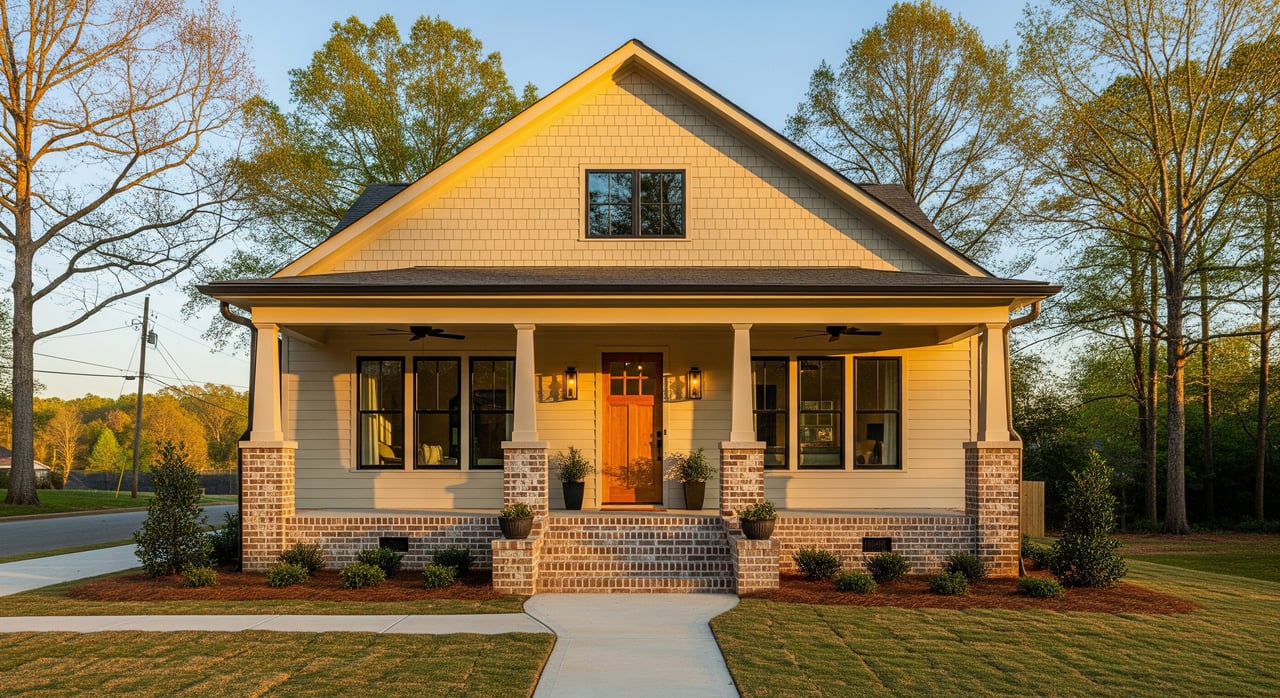
Buying your first home in Douglasville can feel exciting and overwhelming at the same time. You want a clear path, not a maze of paperwork and acronyms. In this guide, you will learn which first-time buyer programs are available in Douglasville, how to qualify, what documents you need, and how to move from pre-approval to closing with confidence. Let’s dive in.
What “first-time buyer” means
Many programs consider you a first-time buyer if you have not owned a principal residence in the last three years. Some programs use different definitions, so it is smart to confirm with the specific lender or agency. Most programs also require owner-occupancy, which means you plan to live in the home as your primary residence.
Program options in Douglasville
Federal mortgage programs
- FHA loans: FHA can be a strong option if you have limited savings or lower credit. Borrowers with a 580 or higher credit score may qualify for a minimum 3.5% down payment. With scores between 500 and 579, you may be eligible with 10% down. Mortgage insurance is required.
- VA loans: Eligible veterans, active-duty service members, and some surviving spouses may qualify for 0% down and favorable terms. You must meet VA eligibility guidelines and plan to live in the home.
- USDA Guaranteed loans: USDA offers 0% down financing for eligible properties in designated rural areas and for borrowers within income limits. Property eligibility is address specific. Parts of Douglas County may or may not qualify, so you need to verify the property address.
Conventional 3% down options
Conventional options such as Fannie Mae HomeReady and Freddie Mac Home Possible allow as little as 3% down for qualified buyers. These programs often include income limits based on area median income and may require homebuyer education. Private mortgage insurance is usually required but can be removed later when your loan-to-value meets program rules.
Georgia state assistance
The Georgia Housing and Finance Authority (Georgia Housing) supports low and moderate-income buyers through approved lenders. Typical features include:
- A primary mortgage paired with down payment and closing cost assistance
- Assistance structured as a second mortgage or a forgivable loan
- Required homebuyer education for eligibility
Program terms, income limits, purchase price caps, and forgiveness schedules change over time. Check current details and use an approved participating lender when you apply.
City and county resources
Cities and counties sometimes offer down payment help using HOME or CDBG funds. For Douglasville and Douglas County, availability is limited and can change based on funding cycles. Local programs may require the purchased property to be within city or county limits. Verify current offerings with the City of Douglasville Community Development and the Douglas County Community Development or Housing offices.
Nonprofit and lender assistance
HUD-approved housing counseling agencies and nonprofits can provide homebuyer education, counseling, and sometimes grants. Some banks and mortgage lenders also offer their own assistance or fee credits for first-time buyers. Education is often required to access these benefits, and it is a valuable step even if not required.
How lenders decide eligibility
Credit score and history
FHA tends to be more flexible with lower scores and limited credit history. Conventional 3% down options usually expect stronger credit and clean recent payment history. Regardless of the program, on-time rent and utility payments and lower credit utilization can help your approval and may improve your rate.
Income limits and household size
Down payment assistance and income-targeted conventional programs use income caps tied to household size and area median income. Lenders typically review recent tax returns and pay stubs to verify income. It is smart to check the program’s income limits before you start your home search.
Property price and eligibility
Many programs cap the purchase price and limit eligible property types. Single-family homes are common, while some condos must meet program or project approval standards. USDA requires that the home’s address falls in an eligible area and that your household income meets their limits.
Debt-to-income, reserves, and job history
Lenders review your monthly debts versus income, cash reserves, and employment history. Two years of stable income is typical, though there can be flexibility with strong compensating factors like higher reserves or a larger down payment. Your lender will guide you on the best way to present your file.
A simple path to approval in Douglasville
- Complete homebuyer education
- If you plan to use down payment assistance, complete a HUD-approved class. Counseling can also help you plan for credit improvements and budgeting.
- Check your credit and readiness (1 to 7 days)
- Pull your credit, review for errors, and address any urgent issues like high balances or old collections.
- Get pre-approved with an approved lender (1 to 7 days after documents)
- Choose a lender that participates in Georgia Housing or any assistance you plan to use. Ask for a pre-approval that reflects your loan type and potential assistance.
- Apply for assistance and start your search
- Some assistance requires education first or a lender to reserve funds on your behalf. Confirm steps early so you can lock in aid when funds are available.
- Underwriting and appraisal (about 30 to 45 days)
- After you go under contract, your lender orders the appraisal, processes your file, and collects any program approvals.
- Closing (usually within 30 to 60 days of contract)
- Timelines vary with program volume, property type, and title work. Stay responsive to document requests to keep things on track.
Documents you will need
Standard lender documents
- Government ID and Social Security number
- Last two pay stubs covering 30 days
- Last two years of W-2s and federal tax returns
- Last 2 to 3 months of bank statements for all accounts
- Employment contact information for verification
- Explanations for large deposits, gaps in employment, and any negative credit items
- Divorce decree or child support documentation if applicable
- Gift letter and proof of funds if you are receiving gift money
- Proof of homebuyer education if required
Program-specific items
- Homebuyer education certificate for Georgia Housing or local DPA
- Proof of veteran status for VA
- Income documentation for Georgia Housing and other DPA limits
- Property address for USDA eligibility checks and household income for USDA rules
Practical prep tips
- Consolidate your funds in easy-to-document accounts several months before you apply. Avoid large unexplained transfers.
- Pull your credit report early and dispute errors before you apply.
- Choose a lender experienced with Georgia Housing and any local Douglas County programs you are considering.
Common pitfalls and how to avoid them
- Assistance funds run out: State and local funds can be limited. Get pre-approved early so your lender can reserve assistance when it opens.
- Condo or project approvals: If you buy a condo, project approvals can add time. Confirm early to avoid delays.
- USDA map surprises: Not every Douglas County address qualifies for USDA. Check the address early in your search.
- Documentation gaps: Missing pages from bank statements or late responses can cause delays. Send complete, clear copies promptly.
- Unseasoned funds: Large cash deposits that cannot be sourced may be disallowed. Keep your paper trail clean and consistent.
Verifying details locally
Because income limits, purchase price caps, and assistance amounts change, verify the latest details with official sources. Strong checkpoints include:
- Georgia Housing for state mortgage and down payment assistance and approved lender lists
- HUD-approved housing counseling agencies for education and counseling
- USDA Rural Development for property eligibility and income limits
- VA home loan resources for veteran eligibility
- City of Douglasville Community Development for any local first-time buyer programs
- Douglas County Community Development or Housing Authority for county-level assistance
- Local lenders that actively work with Georgia Housing, USDA, VA, and conventional 3% down programs
Ready to move forward?
If you want a calm, step-by-step path, you are in the right place. With mortgage know-how and local market experience, I help you match the right program to the right home and timeline. We will confirm eligibility, line up your documents, and move fast when funding windows open. When you are ready, reach out to Stevenson Bruno to talk through options and Get Prequalified.
FAQs
Can I really buy with 0% down in Douglasville?
- VA and USDA both offer 0% down for eligible borrowers, but VA requires military eligibility and USDA requires the property address and your income to meet their rules.
Is FHA always the best deal for first-time buyers?
- Not always; FHA helps buyers with lower credit or limited savings, but long-term costs can be higher than a conventional loan with solid credit and private mortgage insurance that can be removed later.
Do I have to live in the home to use these programs?
- Most first-time buyer programs require owner-occupancy, so you plan to live in the home as your primary residence for a defined period.
How long does down payment assistance take to secure?
- It can be reserved quickly if funds are available and your lender is prepared, but documentation and program approvals add time, so start early.
Do I need to be a Douglasville resident to get city or county assistance?
- Local programs often require the home to be within city or county limits and may have residency rules; check the program’s guidelines.
Will down payment assistance affect my mortgage approval?
- Assistance typically covers part of your down payment or closing costs; your primary mortgage still has its own underwriting standards for credit, income, and debt-to-income.
What if my credit is limited or I have thin history?
- FHA can be more flexible, and documenting on-time rent and utility payments can help; counseling and early credit work can improve your options and rate.