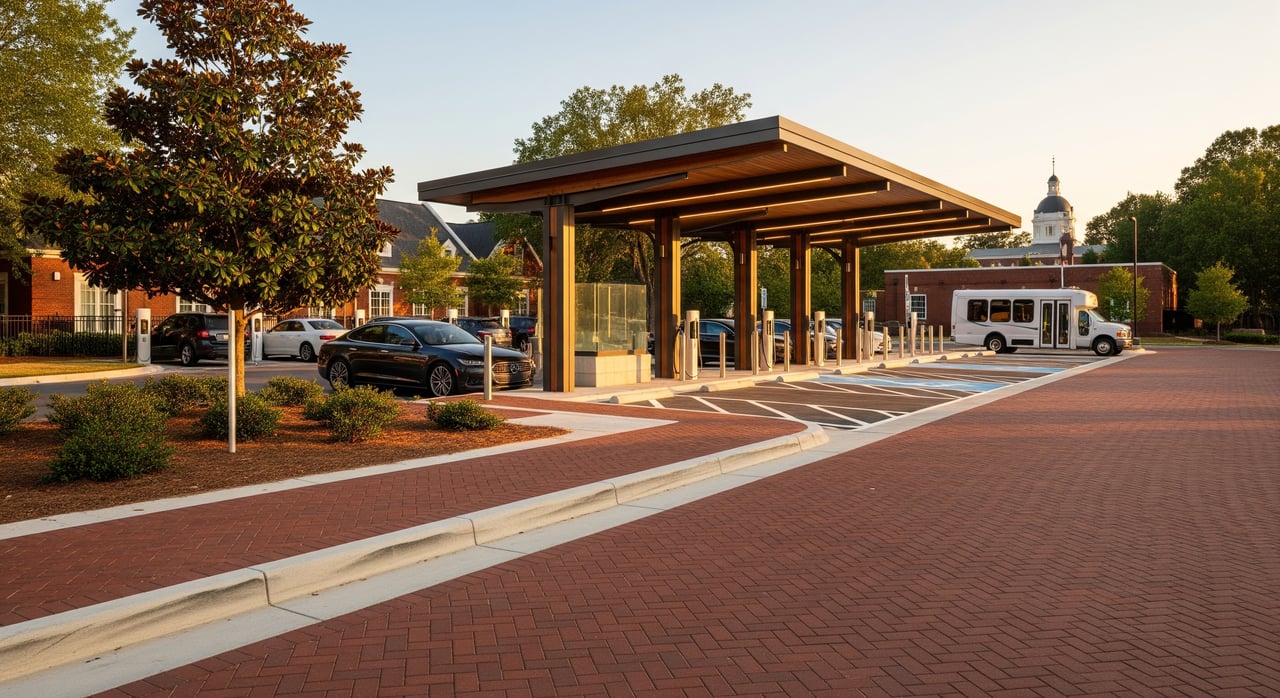
If you live in Lawrenceville and want to spend less time in I‑85 traffic, the Sugarloaf Mills park‑and‑ride can be a smart launch point. You get access to county buses for local trips and regional commuter service into Atlanta’s job centers. With a little planning, you can map a door‑to‑door commute that fits your schedule and your next home search.
In this guide, you’ll see how Ride Gwinnett and GRTA Xpress typically work at Sugarloaf Mills, how to map your best connections, and how to turn transit access into a practical homebuying checklist. You’ll also get tips for field‑testing your commute before you write an offer. Let’s dive in.
Who runs what in Lawrenceville
Ride Gwinnett basics
Ride Gwinnett provides local fixed‑route service within Gwinnett County and connects riders to regional services. It’s useful for first or last mile access when you do not want to drive to the lot. Daytime service is more frequent on weekdays, and some routes operate evenings and weekends with lower frequency.
GRTA Xpress commuter focus
GRTA Xpress runs peak‑period commuter buses between suburban park‑and‑ride lots and major employment centers in Midtown and Downtown Atlanta. Service usually targets weekday mornings into the city and evenings back out. If you work a standard office schedule, this can reduce stress and give you a predictable routine.
MARTA connections
MARTA is the core Atlanta rail and bus network. Many commuters pair a Ride Gwinnett trip to a park‑and‑ride, board Xpress to the core, then transfer to MARTA at designated hubs for the last leg to work. Plan transfers carefully so wait times do not inflate your total trip.
Sugarloaf Mills park‑and‑ride
Sugarloaf Mills is a regional retail and entertainment complex near I‑85 and Sugarloaf Parkway. It functions as a recognized park‑and‑ride site for Ride Gwinnett and regional commuter buses. Amenities vary by lot, but you can typically expect signed bus stops and some combination of designated parking, shelters or benches, lighting, and ADA access. Always verify the current setup when you visit.
Map your commute from Sugarloaf Mills
Target your likely destinations
Start by listing where you need to be on a typical weekday:
- Downtown Atlanta for state government and central business district roles.
- Midtown Atlanta for large employment nodes, hospitals, and universities.
- Transfer hubs where you can switch between Ride Gwinnett, Xpress, and MARTA.
- Nearby Gwinnett job clusters that might be reachable on Ride Gwinnett without a regional trip.
Use the right planning tools
Authoritative sources should be your first stop for stop locations and timetables. Then layer in travel apps to see real‑time conditions and test options.
- Official schedules and maps: Check Ride Gwinnett and GRTA Xpress for current routes, stops, fares, and pass products.
- Trip planners: Use your preferred transit app or the transit layer in a mapping app to preview door‑to‑door itineraries and walking times.
- Custom maps: Create a personal map that marks the Sugarloaf Mills lot, nearby bus stops, transfer points, and walking buffers at 0.25 and 0.5 miles.
- Isochrones: Generate 15/30/45 minute travel sheds from the lot or from a sample neighborhood to visualize what is in reach during peak hours.
Estimate door‑to‑door time
To get a realistic picture, add up each part of the trip:
- Walk or drive time to the stop or lot.
- Average wait time based on scheduled frequency.
- On‑vehicle travel time.
- Transfer wait time, if any.
- Final short walk to your workplace.
Scheduled times can shift on congested days, so include a buffer. Build two versions: one for a typical day and one for a worst‑reasonable day so you know your range.
Account for peak and frequency
Peak Xpress service is designed around morning and evening rush hours. Off‑peak trips often rely on Ride Gwinnett plus a transfer, which can lengthen the journey. Mark frequency bands in your notes or map such as every 15–20 minutes, 30–60 minutes, or peak‑only. Lower frequency increases average wait time and reduces flexibility.
Turn commute data into a neighborhood shortlist
Set clear decision criteria
Define thresholds up front so you can filter homes faster.
- Acceptable total commute time: Many buyers target 45–60 minutes door‑to‑door. Compare that with your drive‑only time.
- Primary mode: Decide if you will drive to the park‑and‑ride, walk or bike to a stop, or use Ride Gwinnett for first/last mile. This shapes which neighborhoods fit.
- Frequency threshold: Choose your minimum acceptable service level. Very frequent under 15 minutes, moderate 15–30 minutes, or infrequent/peak‑only.
- Walking distance: A common comfort range is 0.25–0.5 miles to a stop. Under 0.25 miles is ideal if you will ride often.
- Parking reliability: Confirm whether the lot has available spaces during your peak arrival. Some lots fill early.
- First/last mile options: Look for sidewalks, bike facilities, safe pickup spots for rideshare, and any local shuttle or microtransit.
- Cost: Compare monthly pass costs with driving costs like fuel, parking, and maintenance. Ask about employer subsidies.
- Service days and hours: If you work irregular shifts, weekend and off‑peak service matters.
Lawrenceville areas to consider
You have a range of neighborhood types that balance access with housing type and price.
- Immediate Sugarloaf Mills area: Great if you plan to drive to the lot and rely on Xpress. Homes are often in more auto‑oriented developments with easy arterial access to Sugarloaf Parkway and I‑85.
- Downtown Lawrenceville / Old Town: Better for walkers and riders who want shorter local hops to Ride Gwinnett stops and nearby amenities.
- Subdivisions near Sugarloaf Parkway, Collins Hill, and east Lawrenceville: A good compromise between a quick drive to the lot and a variety of single‑family options. Evaluate the reliability of peak‑hour access to the lot.
- Neighboring cities like Duluth, Suwanee, and Buford: Some areas can offer alternate park‑and‑ride options or different local bus frequencies. If you are flexible on city lines, compare door‑to‑door options across a few sites.
Weigh the tradeoffs
Every commute choice comes with pros and cons.
- Price and convenience: Closer addresses to walkable stops or the Sugarloaf Mills lot may carry price premiums but can save time and reduce stress.
- Flexibility and cost: Peak‑only service can be cost‑effective and calmer than driving in, but it is less flexible for late meetings or midday errands.
- Time predictability: Transit can be predictable if you plan your departure windows, especially when services use HOV or managed lanes, but local variability like lot fill times and last‑leg traffic can still affect the door‑to‑door total.
Field‑test your commute
Do a timed trial
Before you write an offer, run a full weekday test:
- Leave your prospective neighborhood at your normal departure time.
- Park at Sugarloaf Mills and ride a single morning trip into the city.
- Do the evening return as well. Record stops, transfer points, and total time.
This single trial helps you see real patterns like average waits, bus crowding, and how long it takes to clear the lot.
Check parking and amenities
Visit the lot before peak to observe occupancy. Look at lighting, shelter, benches, signage, ADA access, and bicycle racks. If the lot looks tight near your preferred arrival time, plan a backup arrival window or an alternate route.
Confirm fares and passes
Always verify current fares and pass options on the official Ride Gwinnett and GRTA Xpress pages. Ask your employer if pre‑tax transit benefits or subsidies are available.
Plan for accessibility and backups
If ADA access matters for you or someone in your household, confirm ramp access and vehicle accessibility. Identify reliable alternates for disruptions, such as a carpool, occasional telework, or driving on I‑85 when needed.
Watch for updates
Transit plans and schedules change over time as the county and region adjust service. Check Gwinnett County and Georgia Regional Transportation Authority planning updates for changes that could improve your commute. For context, many suburban Atlanta counties, including Gwinnett, report median commute times in the 20–40 minute range according to U.S. Census American Community Survey estimates. Your optimal choice balances time, flexibility, and cost for your household.
Make transit part of your home search
Use this quick checklist for each property you are considering:
- Distance and safe walking route to the nearest Ride Gwinnett stop or the Sugarloaf Mills lot
- Drive time to the lot at your actual departure window
- Scheduled Xpress and MARTA connections that match your work hours
- Estimated door‑to‑door time with a buffer for congestion
- Park‑and‑ride parking status observed between 7:00–9:00 AM
- Frequency and service days for each leg you will use
- First/last mile options like sidewalks, bike racks, and rideshare pickup spots
- Cost comparison: monthly passes vs. fuel, parking, and maintenance
- Lighting and visibility for early morning or late evening use
When you are ready to narrow your shortlist, pair this checklist with a fast financing plan so you can move quickly when the right home hits the market. With the right prep, you can align your commute, budget, and closing timeline without surprises.
Ready to match a Lawrenceville commute plan with a smart home search and financing game‑plan? Get prequalified and start your shortlist with Unknown Company.
FAQs
Will the Sugarloaf Mills lot have parking during peak hours?
- It varies by day and time; visit during your target arrival window to observe occupancy and check official lot guidance before you rely on it.
Can I rely on GRTA Xpress for late meetings or midday trips?
- Xpress focuses on weekday peak service, so it is less flexible outside rush hours; plan alternates for off‑peak travel.
How do I estimate my door‑to‑door time from Lawrenceville?
- Add your walk or drive to the lot, average wait, on‑vehicle time, transfer wait, and final walk; then test a full trip during a normal weekday peak.
Which Lawrenceville neighborhoods work best without driving to the lot?
- Downtown Lawrenceville and areas within a short walk of Ride Gwinnett stops offer the best walk access; the Sugarloaf corridor is ideal if you prefer a quick drive to the park‑and‑ride.
What first and last mile options can I use near Sugarloaf Mills?
- Ride Gwinnett local routes, rideshare, a personal bike, or an employer shuttle where available can bridge the gap to and from the lot.